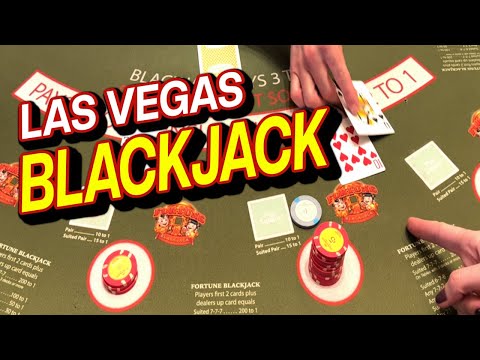

Blackjack is one of the handful of casino games where your decisions actually steer the result, and the multitude of variants out there can feel like a lot to take in https://tombolacasino.com.nl/. Tombola Casino gives Dutch players a curated set of blackjack tables, from traditional classics to clever twists with side bets and live dealers. Understanding the differences isn’t just about committing rules to memory. It’s about understanding how small changes—deck size, how the dealer behaves, payout structures—shift the house edge and the strategy you need. This guide explores the variants that matter, explains what makes each one tick, and provides clear, usable advice you can depend on the next time you sit down at the virtual felt.
Useful Bankroll and Strategy Tips for Dutch Players
No matter which blackjack variant you pick, proper bankroll management is the basis of a long-term, pleasurable experience. A typical guideline is to bring at least 40 to 50 times the minimum bet to a session, which provides you adequate cushion to ride out the typical swings of the game. For example, if the table minimum is €5, a session bankroll of €200 to €250 allows you to compete with discipline and without the pressure of requiring to win every hand. Determining a loss limit before the first card is dealt—and holding to it—avoids emotional decisions that can empty your balance fast. At Tombola Casino, you can utilize the responsible gambling tools to set deposit limits and session reminders that strengthen these good habits.
Applying a basic strategy chart tailored to the specific variant you’re playing is the one effective way to reduce the house edge. These charts are easily available online and can be kept open in a browser tab or on a second screen while you play. The next practical steps can help Dutch players derive the most out of every blackjack session:
- Regularly check the table rules for blackjack payout, dealer soft 17 behaviour, and surrender availability before betting.
- Consult a strategy card that matches the precise variant and number of decks, especially for games like Spanish 21 and Blackjack Switch.
- Steer clear of insurance bets unless you’re counting cards; the house edge on insurance surpasses 7% in most multi‑deck games.
- View side bets as a distinct entertainment budget and never chase losses on them.
- Take advantage of any welcome offer or reload bonus at Tombola Casino, but always read the wagering requirements and game contribution percentages first.
Bonuses can give your bankroll extra breathing room, but blackjack often contributes a lower percentage toward wagering requirements than slots, so checking the terms is crucial. For instance, a 100% deposit match might require 35 times the bonus amount in wagering, but blackjack wagers may only count 10% toward that total. Factoring this into your session plan stops surprises at the withdrawal stage. Dutch players who prefer mobile play will find that Tombola Casino’s platform runs smoothly on smartphones and tablets, with no download required, so a strategy chart can be referenced on the same device. The combination of disciplined money management, variant‑specific strategy, and smart bonus use builds a framework that turns blackjack from a game of chance into a game of skill.
Optional Side Wagers and Accumulating Jackpots in 21
Many blackjack tables, both digital and live casino, feature extra bets that introduce a new dimension of excitement and the possibility for substantial rewards. These side bets are settled separately of the base hand and are dependent on specific card combinations using your opening cards and occasionally the dealer’s upcard. While additional wagers can deliver exciting victories, they nearly always come with a significantly larger casino edge than the base game—often ranging from 3% to over 10%. Understanding how each side bet functions and what it entails in theoretical value is vital for taking wise selections at the table.
How 21+3 Works
The 21+3 side bet utilizes your first two cards and the dealer’s upcard to create a three‑card poker hand. If the three-card combination form a straight, the side bet payouts according to a fixed paytable. A consecutive suited cards usually rewards 40 to 1, while a five cards of the same suit could reward 5 to 1. The casino advantage on 21+3 varies according to the number of decks and the particular payout table, but it typically ranges between 3% and 5%. This wager is favored because it brings a poker component to blackjack without requiring any additional expertise, but you ought to view it as a separate recreational cost instead of a trusted revenue generator.
Other frequent additional wagers include Matching Pairs, where you collect if your first two cards form a suited pair, and Fortunate Ladies, which payouts when your cards totals 20, with extra rewards for identical 20s or a queen of hearts pair. Accumulating jackpot bets connect multiple tables and accumulate a combined reward that can be claimed by achieving a particular uncommon hand, such as four aces of the same suit. At Tombola Casino, the presence of optional bets changes by gaming table, and the payout table is always shown in the rules of the game. The essential lesson: approach side bets with a defined spending limit and the understanding that they’re designed for sporadic excitement, not for grinding out a lasting profit margin.
Spanish 21: Removing the Tens for a Unique Twist
Spanish 21 appears as blackjack at first glance, but removing all the 10‑spot cards out of the deck forms a fundamentally different game. Played with six or eight 48‑card decks, the missing tens mean only face cards and aces can form a natural blackjack. To compensate for that disadvantage, the game piles on player‑friendly rules you won’t encounter in standard blackjack. A player’s blackjack always triumphs over a dealer’s blackjack and pays 3 to 2 right away. Late surrender is offered, and you can double down on any number of cards, including after splitting. You can also “rescue” a doubled hand by surrendering one of the two bets—a safety net when the draw becomes risky.
The bonus payout structure is what truly distinguishes Spanish 21 apart. A five‑card 21 pays 3 to 2, a six‑card 21 pays 2 to 1, and a seven‑or‑more‑card 21 pays 3 to 1. Suited 7‑7‑7 against a dealer’s 7 triggers a special bonus, and mixed 7‑7‑7 also pays a smaller bonus. These extra payouts prompt you to hit hands you’d normally stand on, which renders the game feel more adventurous. The house edge on Spanish 21 can fall below 0.40% with optimal strategy, but the strategy is more complex because the missing tens change the odds of busting and the value of drawing to stiff hands. Dedicated strategy charts are a necessity for anyone who desires to play seriously.
Dutch players who spot Spanish 21 in the Tombola Casino lobby should regard it as a separate game, not just a blackjack variant with a few tweaks. Without tens, doubling on 11 against a dealer’s 10 is far riskier, and hitting hard 17 against certain upcards can be the correct move. The bonus payouts for multi‑card 21s encourage to chase long draws, but you still need discipline to keep the house edge low. Spanish 21 rewards players who invest time in learning its unique strategy, and the rescue rule provides a cushion that can make the learning process less expensive.
Blackjack Vegas Strip Čtyřbalíčkový favorit
Vegas Strip Blackjack bottles pocit z Las Vegas Strip se čtyřbalíčkovým botem and a rule set, that balances hráčskou výhodu a svižným tempem. Dealer stojí na soft 17, a je možné zdvojnásobit na libovolné dvě počáteční karty, including after splitting pairs. Je možná pozdní kapitulace, což je v souladu s tradicí Atlantic City, avšak nižší počet balíčků nepatrně mění pravděpodobnosti a dodává hře dynamičtější pocit. Blackjack pays 3 to 2, and re‑splitting aces is allowed, though usually only once, kdy každé eso obdrží jednu kartu. Tyto podmínky generují house edge která konkuruje nejlepším nabídkám Atlantic City, obvykle oscilující mezi 0,35 % a 0,40 % při perfektní hře.
Jeden praktický rozdíl mezi Vegas Strip a Atlantic City Blackjackem je počet balíčků, což ovlivňuje, jak často se objevují určité kombinace a volatilitu botu. With four decks, pozorujete méně stejných karet za sebou, and the impact of removing a single card feels a bit more pronounced. For those who enjoy tracking the flow of the game—i bez formálního počítání karet—čtyřbalíčkový formát může být poutavější. Pozdní kapitulace znamená, že se zde uplatňují stejné indexy surrender jako v Atlantic City, so players who have memorised those numbers mohou plynule přecházet mezi oběma variantami.
When you explore Vegas Strip Blackjack at Tombola Casino, zkontrolujte, zda stůl používá kontinuální míchací stroj nebo tradiční bot, protože to ovlivňuje rytmus hry. Internetové verze zpravidla zamíchají po každém rozdání, což udržuje hru rychlou and removes any card‑counting edge, ale strategická hloubka zůstává zachována. Spojení pozdní kapitulace, double after split a čtyřbalíčkového formátu činí tuto variantu vynikajícím středním proudem pro hráče, kteří chtějí příznivější pravidla než evropský Blackjack bez osmibalíčkového rozředění Atlantic City. Posadit se ke stolu Vegas Strip bývá rozumným standardním tahem.
Switch Blackjack: Playing Two Hands and Swapping Cards
Blackjack Switch flips the traditional format by having you place two equal bets and receive two separate hands. After the initial deal, you can exchange the second cards of each hand, transforming a weak 16 and a strong 11 into two much stronger starting points. This switch mechanic is the heart of the game and produces spots where you can create powerful hands that would be impossible in regular blackjack. To counter that advantage, the dealer pushes on a total of 22 instead of busting—unless you have a natural blackjack, which still wins. Blackjack pays even money rather than 3 to 2, and the house edge settles around 0.58% with optimal switching strategy.
The switching decision can be tricky, and small mistakes can quickly reduce your return. For example, receiving a 10‑6 and a 9‑7 might tempt you to switch the 6 and 7, creating 10‑7 and 9‑6, but the right move relies on the dealer’s upcard and the combined strength of both hands. Strategy charts for Blackjack Switch are arranged as a grid that displays the best action for each two‑hand combination against every possible dealer card. Many online casinos, Tombola Casino included, feature a version that also includes the Super Match side bet, which payouts based on the poker value of your initial four cards. The base game, though, is complex enough to keep strategic players hooked for hours.
Because the dealer pushes on 22, hands that would normally win in standard blackjack can become ties, which alters the risk profile of standing on stiff totals. You should be more inclined to hit hard 15 and 16 against a dealer’s 7 or 8, because the dealer’s increased chance of reaching 22 without busting makes standing less attractive. The even‑money blackjack payout also means the value of a natural is reduced, so the focus moves to winning both hands through sound switching and drawing decisions. Blackjack Switch is a great pick for players who appreciate puzzles and want a change from the standard hit‑stand rhythm.
European Blackjack Variant: The Single‑Deck Nuances
European Blackjack is commonly the first variant Dutch players encounter, and its biggest oddity is the absence of a dealer hole card. The dealer gets only one card face up at the outset, and the hole card is drawn only after all players have played their hands. That little tweak has a major strategic effect: if you double down or split pairs, you may lose additional funds if the dealer later turns over a blackjack, because all side bets are collected before the dealer checks for a natural. In American‑style games, the dealer looks for blackjack immediately if the upcard is an ace or a ten, which protects your extra money.
European Blackjack traditionally uses two or six decks, though single‑deck versions show up sometimes in online lobbies. The rules usually say the dealer stays on all 17s—beneficial for you—but doubling is often confined to hands totaling 9, 10, or 11. Splitting pairs is usually allowed one time, and splitting aces again is hardly ever permitted. Giving up is rarely available. These limitations nudge the house edge slightly higher than in the most favorable American variants, but the game stays popular because it’s clean, quick, and provides a straightforward decision tree. Players who enjoy a purist experience often drift toward European tables.
When you play European Blackjack at an online casino like Tombola Casino, it’s advisable to adjust basic strategy for the rule without a hole card. For instance, doubling down on 11 against a dealer’s 10 becomes more dangerous, because the dealer could yet make a blackjack and take your doubled bet. Many strategy charts created for European rules recommend doubling on 11 only against a dealer 9 or lower, and steering clear of splitting 8s against a 10 or ace. Verify the specific doubling and splitting rules before you take a seat—even among European Blackjack tables, small differences can shift the ideal method.
Atlantic City Blackjack variant: Late Surrender option and Additional Features
Atlantic City Blackjack earned its reputation as one of the most player-friendly versions thanks to a mix of liberal rules and the late surrender option. Played with eight standard decks, the dealer holds on soft 17, which directly reduces the house edge compared to games where the dealer draws. The late surrender rule allows you to give up half your bet after the dealer checks for blackjack, so the option is available only when the dealer has no blackjack. This feature is an effective tool for cutting losses on poor initial hands—like a 16 with no ace against a dealer’s 10—and it’s one of the first things experienced players search for when picking a table.
In addition to surrender, Atlantic City Blackjack permits doubling down on any first two cards and doubling after a split, which enables more aggressive moves when the count favours you. You can split any pair up to three times, forming up to four hands, and aces may be split again once. When aces are split, each new hand gets only one additional card, which is standard across most blackjack variants. Blackjack pays at 3 to 2 odds, and insurance is provided when the dealer has an ace up. Using flawless basic strategy, the casino advantage in this game can drop to just 0.35%, making it a favourite for players who seek to maximise their bankroll over an extended session.
At Tombola Casino, Atlantic City Blackjack tables are clearly marked, and the interface typically shows the exact rules in the game options. Netherlands-based players who appreciate having plenty of strategic options will find that late surrender brings a welcome level of depth without making the game appear messy. The eight-deck shoe means card counting is less practical, but for casual and semi‑serious players the attention is on flawless basic strategy. As the rules are so lenient, it pays to invest a few minutes studying a strategy card adapted to Atlantic City specifics—especially the surrender indices—before you wager real money.
Real-Time Blackjack: Taking the Casino Floor to Your Screen
Live dealer blackjack bridges the gap between digital RNG play and the atmosphere of a physical casino, and it has evolved into one of the most sought-after ways to enjoy the game in the Netherlands. A real dealer works at a physical table, shuffles real cards, and deals in real time, while high‑definition cameras stream every detail to your device. The interface displays betting options and decision buttons, and a chat function enables you to chat with the dealer and sometimes with other players. At Tombola Casino, the live blackjack lobby typically features tables from leading providers, with rule sets that range from classic seven‑seat games to faster‑paced variants tailored for solo play.
The rules at live dealer tables can vary, so consult the game information before you join. Many tables follow the standard European no‑hole‑card rule, while others provide American‑style dealing with a peek for blackjack. Betting limits are usually displayed clearly, and they span from low‑stakes tables geared toward beginners to high‑roller environments. The pace of live blackjack is typically slower than RNG play because the dealer must physically handle cards and interact with multiple players, but that slower tempo can be an benefit if you want time to refer to a strategy chart or just enjoy the experience. The social element brings a layer of enjoyment that pure digital games can’t duplicate.

Dutch players funding their live dealer sessions at Tombola Casino can use common payment methods like iDEAL, which completes deposits instantly and allows them to enter a table within seconds. Withdrawals are normally processed within one to three business days once the account has been confirmed. The live casino environment also provides responsible gambling tools, such as deposit limits and reality checks, which are easily accessible from the account dashboard. For players who appreciate transparency and the peace of mind of seeing real cards dealt by a real person, live dealer blackjack is the ultimate way to enjoy the variants discussed in this guide.
Grasping the Fundamental Rules of Classic Blackjack
Any blackjack variation sits on the same foundation, and you need to know that foundation cold before you can join with confidence. The goal is straightforward: defeat the dealer by holding a hand total closest to 21 without going over, or by standing on a lower total when the dealer goes over. Pip cards score as their face value, face cards are worth 10, and an ace can be 1 or 11. A “blackjack” is an ace plus a 10‑value card on your first two cards and normally pays 3 to 2. The dealer applies fixed drawing rules—most often drawing on 16 and holding on 17—though whether the dealer takes a card or stands on a soft 17 changes between versions and has a real effect on the house edge.
Traditional blackjack normally uses between one and eight standard 52‑card decks. The number of decks affects both the rhythm of play and how valuable card counting can be. After you put down a bet, you get two cards face up, and the dealer gets one face up and one face down in the typical American dealing style. Then you choose to hit, stand, double down, split pairs, or take insurance if the dealer shows an ace. Insurance is a side bet that the dealer has blackjack, and it has a steep house edge, so seasoned players prefer to skip it. Understanding these basics makes it much less difficult to identify what’s unique when a new variant pops up in the lobby.
Even within classic blackjack, tiny rule changes can nudge the return to player (RTP) by fractions of a percent. A game where the dealer holds on soft 17 provides you a better deal than one where the dealer takes a card. Whether doubling after a split is available, or how many times you can split aces, also shapes optimal strategy. At Tombola Casino, the classic blackjack tables display the rule set plainly before a hand is dealt, so you can check conditions like blackjack payout and surrender availability. Consider classic blackjack as the standard, and you’ll discover it simpler to size up every other variant in this guide.
Picking the Proper Variant for Your Playing Style
With numerous blackjack variants out there, the best choice hinges on what you appreciate the most: the lowest possible house edge, the richest strategic play, or the most engaging experience. Players who want to minimise the casino’s advantage should choose Atlantic City or Vegas Strip Blackjack with late surrender, as these games provide house edges beneath 0.40% when played optimally. Those who enjoy making complex decisions and are prepared to learn a new strategy chart will consider Spanish 21 and Blackjack Switch highly rewarding. European Blackjack is a solid pick for purists who prefer a straightforward game without surrender or exotic twists, while live dealer tables appeal to anyone who misses the social atmosphere of a brick‑and‑mortar casino.
Pace of play matters too. RNG blackjack hands are played in seconds, which is excellent for players who wish to squeeze a quick session into a busy day. Live dealer games unfold more slowly and deliver a more immersive experience, making them better suited to evenings when time isn’t tight. At Tombola Casino, the lobby is arranged so you can filter by game type, making it simple to jump between a fast Vegas Strip table and a relaxed live dealer session with a few clicks. The ability to try different variants without switching platforms diminishes the barrier to experimentation and assists you determine which style of blackjack you really enjoy.
The top successful blackjack players are the ones who match their variant choice to their temperament and preparation level. There’s no single best game for everyone. A player who loves the puzzle of Blackjack Switch but refuses to learn the switching grid will lose money faster than someone who sticks to classic blackjack with a basic strategy card in hand. The Dutch online casino environment, regulated by the Kansspelautoriteit, gives players access to fair, audited games, and Tombola Casino operates under that framework with transparent terms and secure payment processing. Taking the time to understand the nuances covered in this guide turns the lobby from a confusing list of names into a menu of meaningful choices.
The real value of learning blackjack variants isn’t just lowering the house edge. It’s about finding a version of the game that feels genuinely enjoyable to play. Maybe it’s the strategic safety net of late surrender, the card‑switching puzzles of Blackjack Switch, or the human connection of a live dealer table—there’s a blackjack variant that will click. The next step is to visit Tombola Casino, browse the blackjack selection with fresh eyes, pick a table that matches today’s mood, and put these insights into practice. Start with low stakes, keep a strategy reference nearby, and remember that every hand is a chance to make a better decision than the last one.